Aldo Gigli
Co-founder of the Mirano Continental · set designer and graphic artist · Mirano Continental, 1981-1998
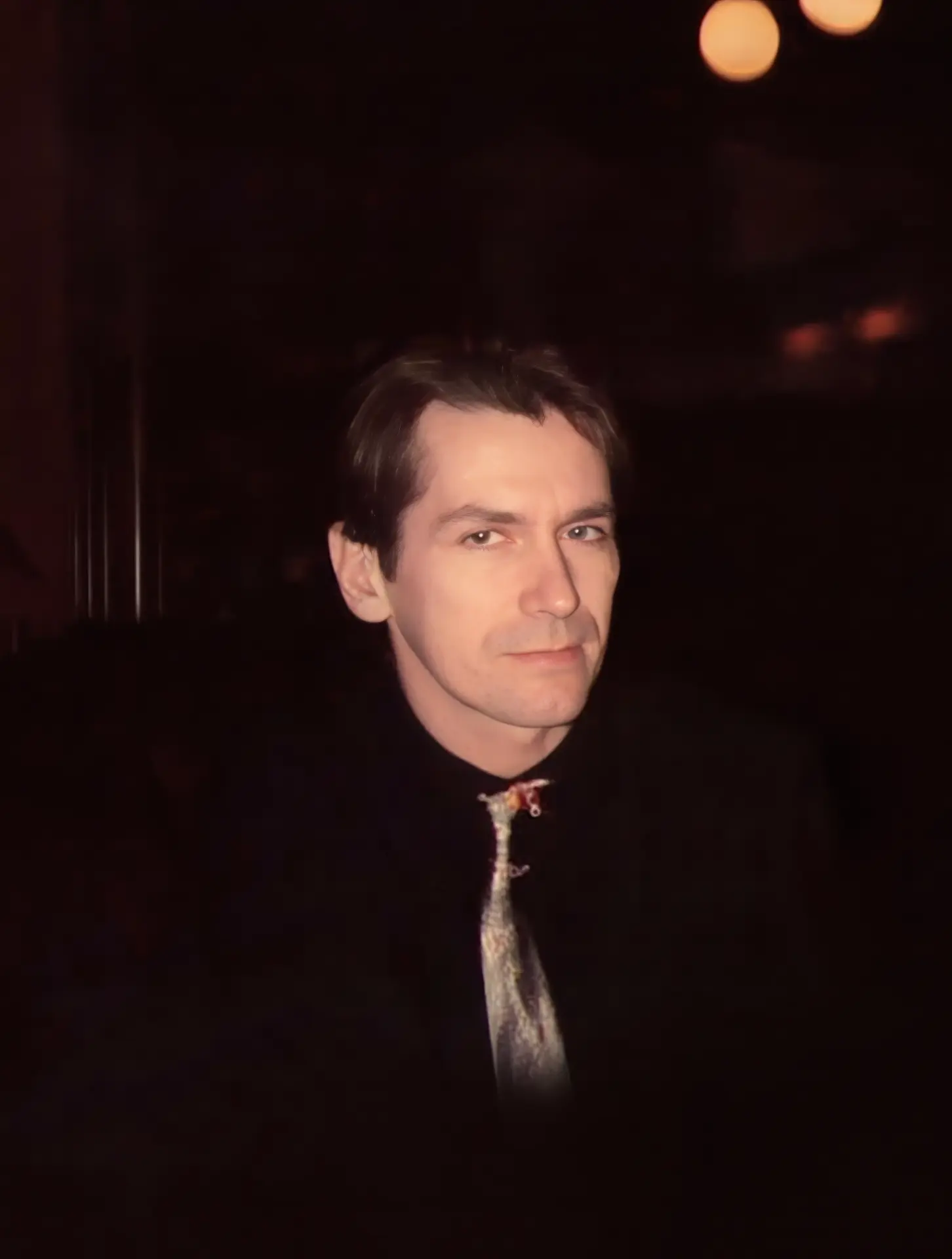
Aldo Gigli is the man who discovered the Mirano. He found the old cinema on the Chaussée de Louvain, the one from his childhood neighbourhood. Paul Sterck and Marco Rolland came together with him around this venue to turn it into the most inventive club in Brussels. Set designer of every Mirano world, including those of Carl De Moncharline's own nights, designer of its posters at a time when everything was made by hand, and a great collector of film scores, he was one of those who taught Carl the trade, over countless coffees at the snack bar next door. His imagination needed no machine: everything came straight out of his head, and everything was always ready on time. While this portrait is devoted to him, it is because he set the Mirano adventure in motion. Paul Sterck and Marco Rolland were its other founding pillars, and the technical, lighting and production teams, often unseen, gave the club its soul. Not all of them appear in this Wall of Fame, yet their work is part of what Carl De Moncharline received and now passes on.
Co-mentors
This portrait is dedicated to Aldo Gigli, but his story would not have been possible without Paul Sterck and Marco Rolland, co-founders of the Mirano Continental and founders of the KCC agency, K Comme Communication. It was under their joint direction that Aldo was able to fully express his creativity. Carl De Moncharline worked for both of them: as Marco's assistant in art direction, and under Paul, who was, in the end, his boss. They are named here as co-mentors in their own right.
Portraits restored and retouched with the help of artificial-intelligence tools, without altering the content of the photographs. On this site, no archive photograph is AI-generated: every intervention is disclosed, as here.
Chapters
Where It All Began
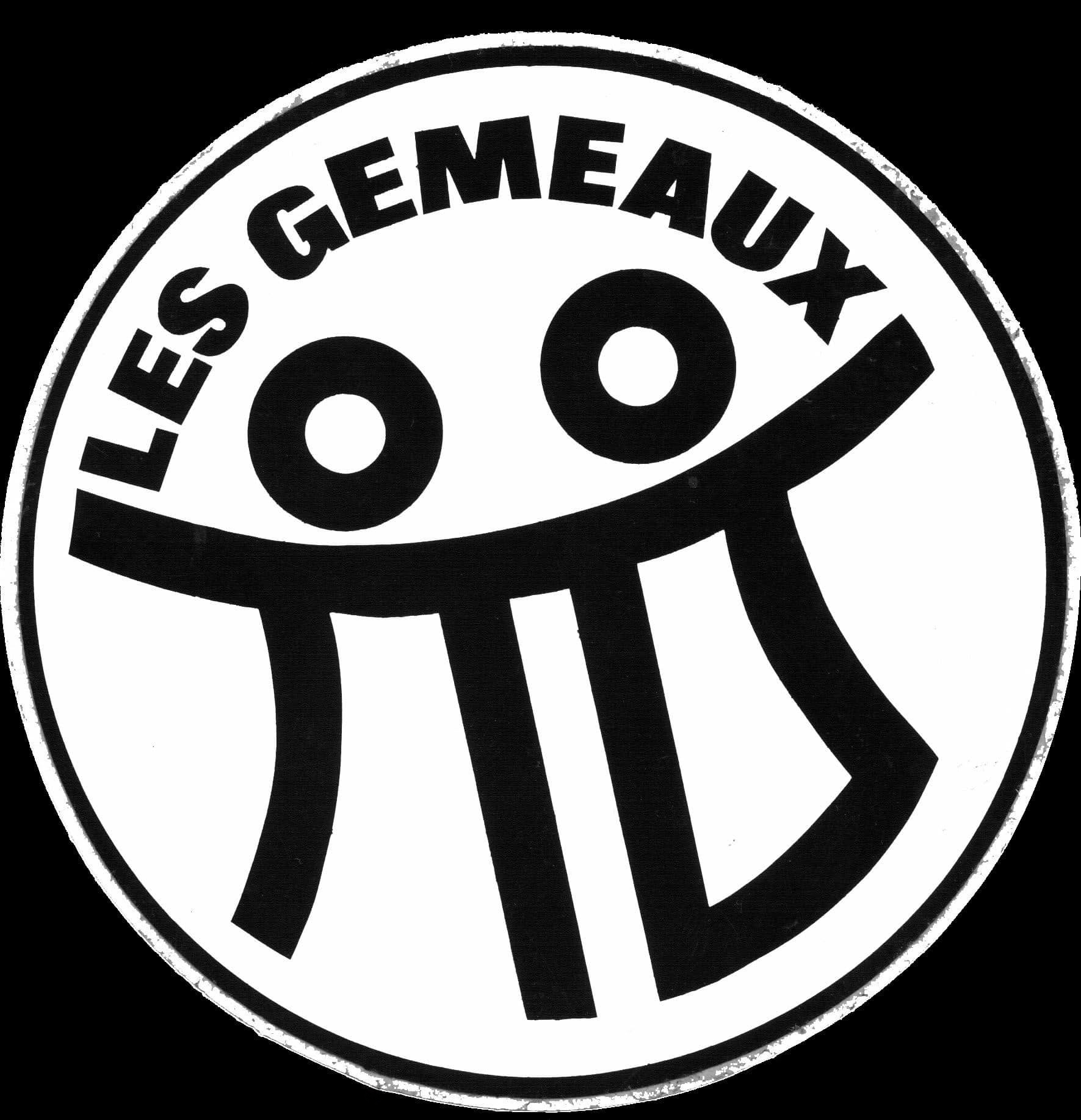
It all began long before Aldo Gigli, on boulevard du Souverain in Auderghem. The room was first a dance hall with its terrace, became the Lex cinema from 1937 to 1939, then the Casino cinema until 1965, before turning back into a dance hall.
 25 document(s) · Open the chapter
The man who discovered the Mirano
Aldo Gigli was born in Brussels on 13 April 1944 and grew up between Belgium and Tuscany. In 1975 he was an industrial designer at BelV, a subsidiary of the Belgian Federal Agency for Nuclear Control, and a bartender at Les Gémeaux, a Brussels club later renamed Le Canotier. That is where he got to know the nightlife world, working as a graphic artist and making his first sets, designing invitations with Marco Rolland and Paul Sterck.
 5 document(s) · Open the chapter
Communication: Posters and Visuals
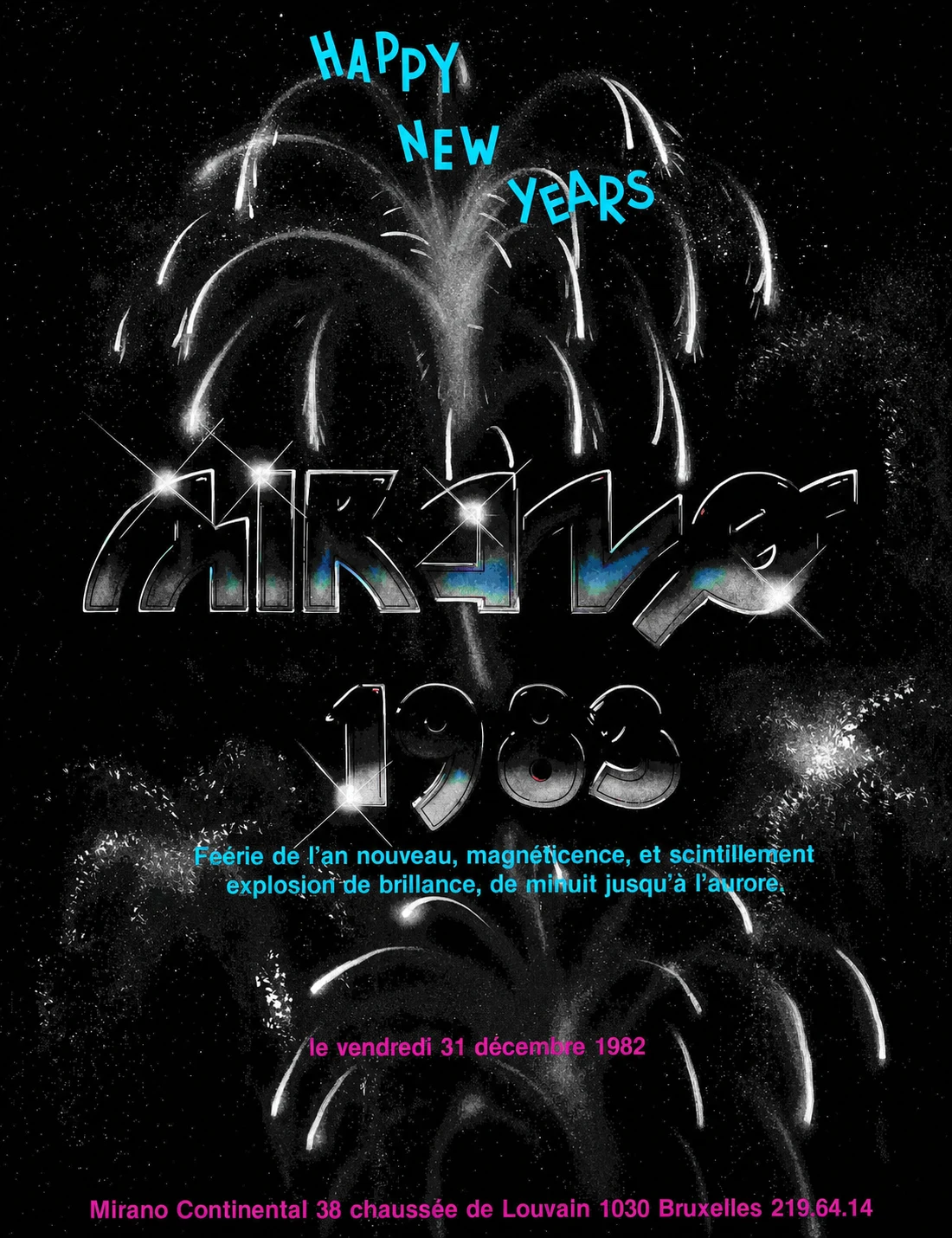
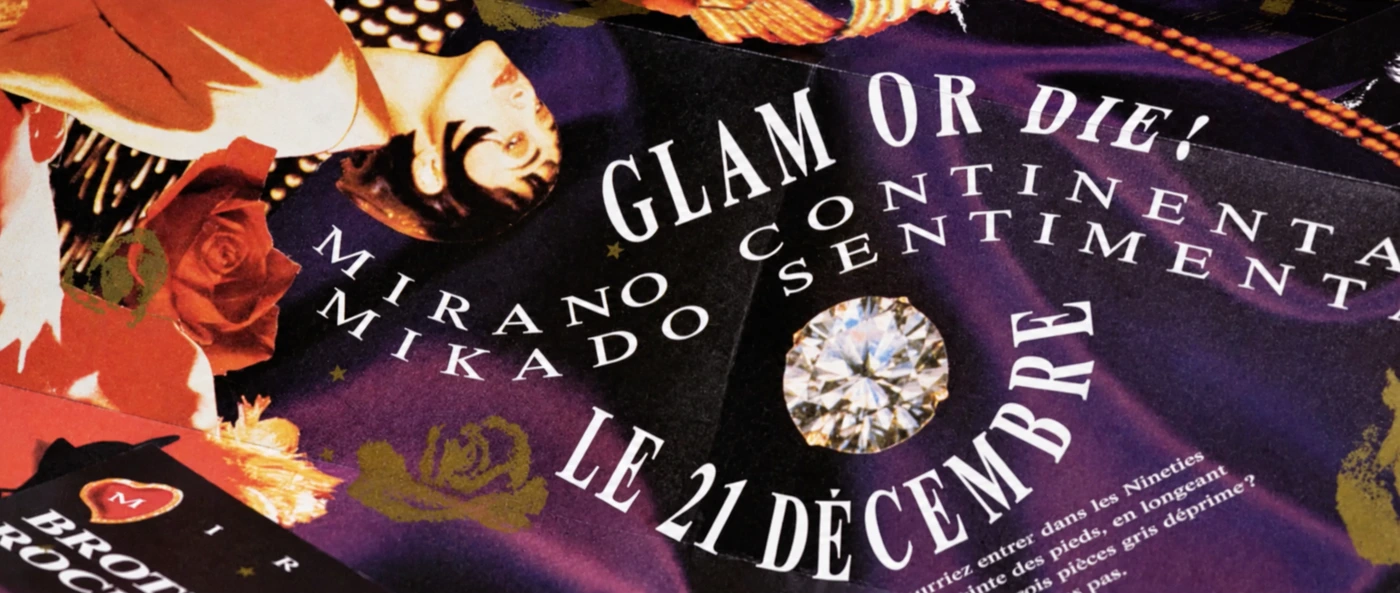
The Mirano's graphic design was made entirely by hand, at a time when computers were in their infancy and no artificial intelligence existed. Invitations and posters were born on an architect's drawing table, with Letraset transfer lettering, felt-tip pens and airbrush.
 31 document(s) · Open the chapter
Record Sleeves
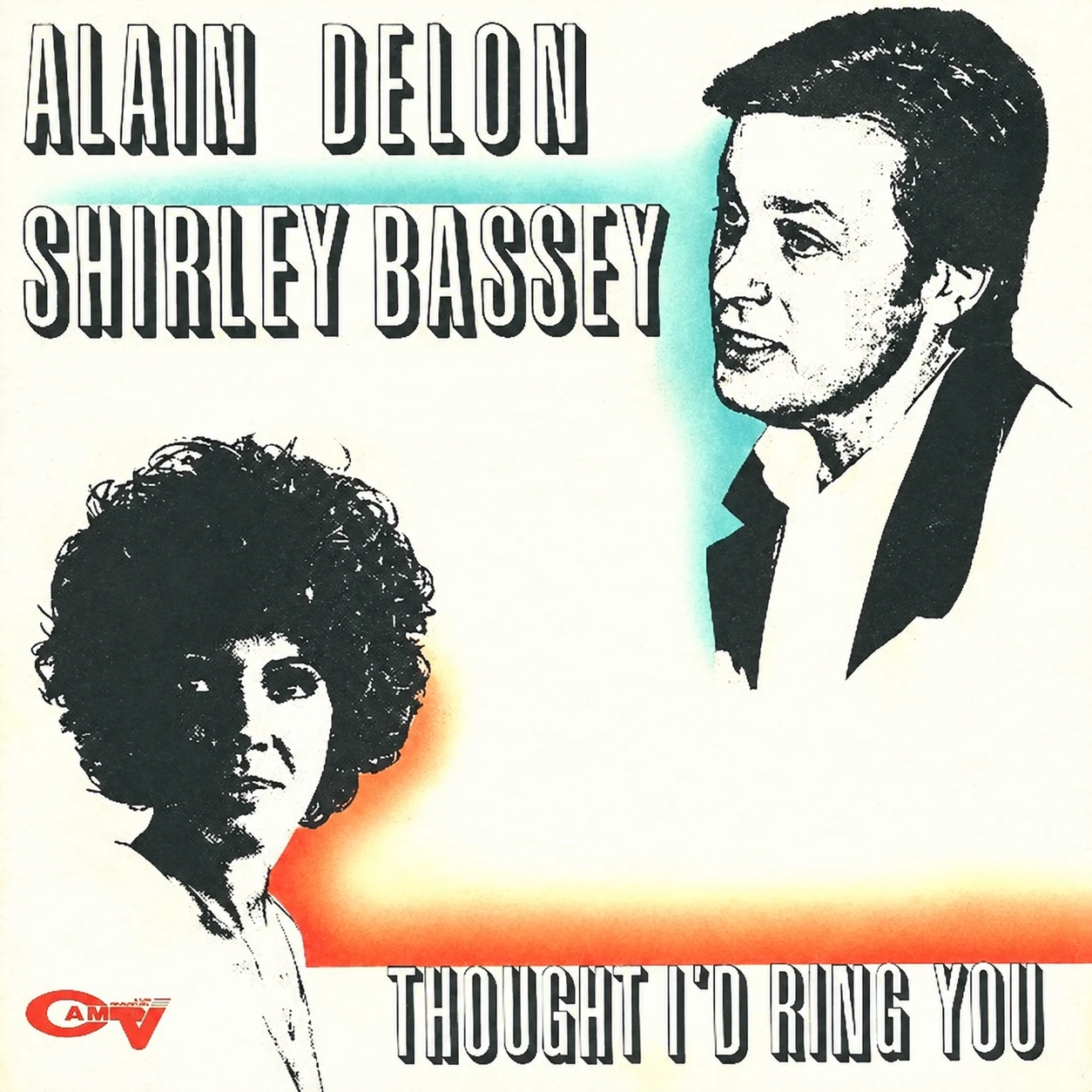
Aldo Gigli, nicknamed “Aldo Le Touchatou”, did not draw only for Brussels nightlife. His drawing table also produced record sleeves, an exercise in which everything plays out inside a thirty-centimetre square: a title, two faces, one colour.
 6 document(s) · Open the chapter
The Mirano Capsule: A Scent of Night
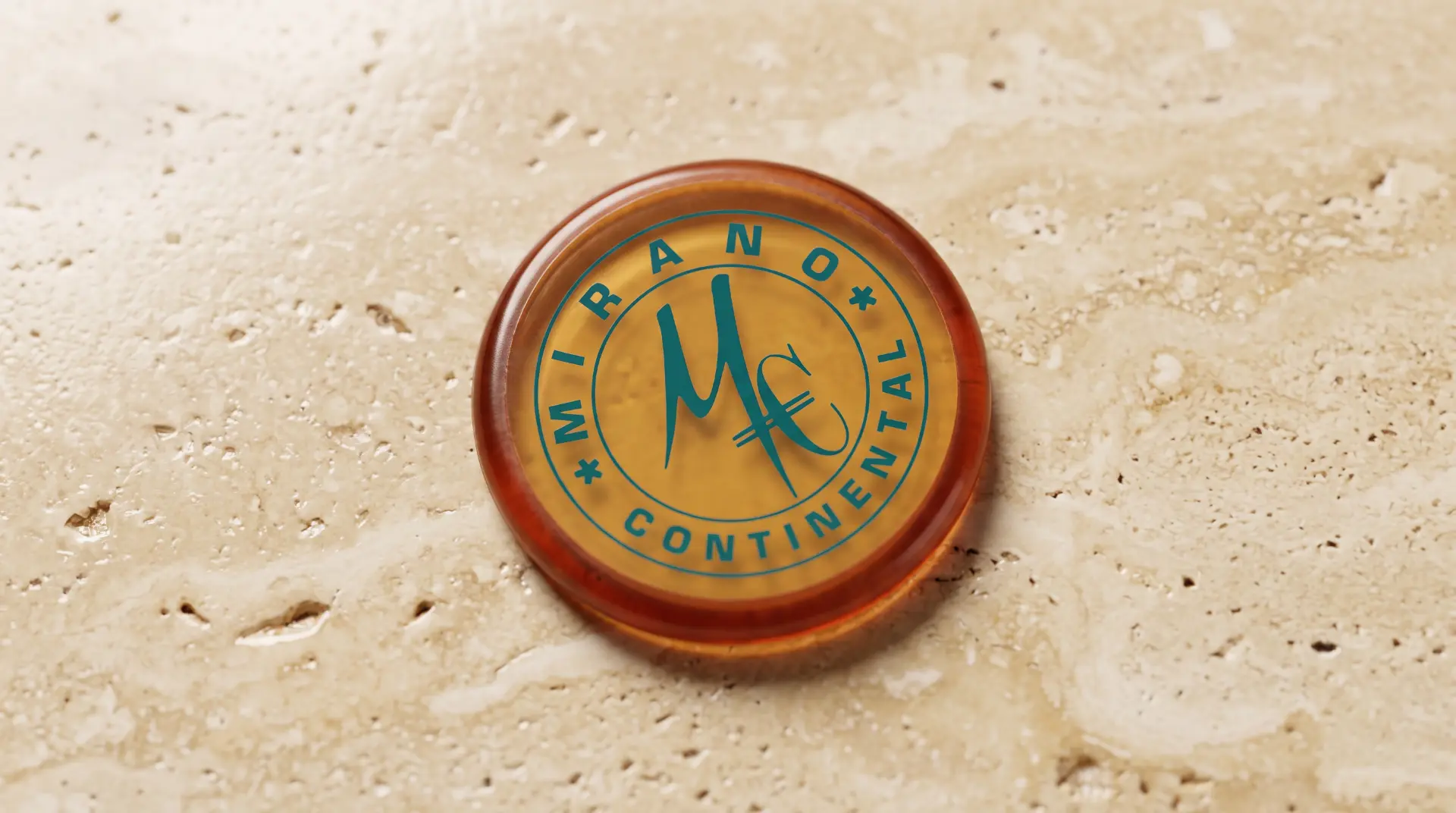
The Mirano did not only occupy Brussels nightlife: it found its way into people's wallets. At the door, when a customer was not a member and paid the entry fee, change was given back in a small transparent plastic capsule that has turned orange over time (it is now more than thirty years old), scented and bearing the club's logo. The object, both coin holder and business card, slipped into the pocket and travelled with its owner all over the city.
 1 document(s) · Open the chapter
Light Panel & Improv League
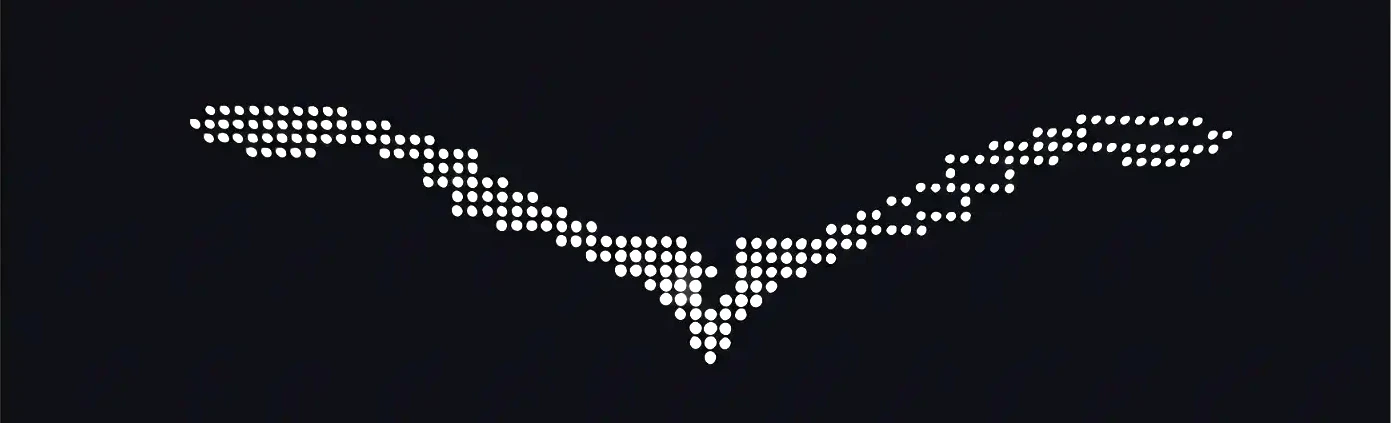
In the very early 1980s, around 1982, the Mirano Continental stage was fitted with a large light panel designed by Olivier Gossens-Bara: a screen made of hundreds of light dots switching on and off. At the time there were no LED panels, no flat screens, no plasma televisions; that wall of bulbs was a feat.
 6 document(s) · Open the chapter
Music at the Mirano
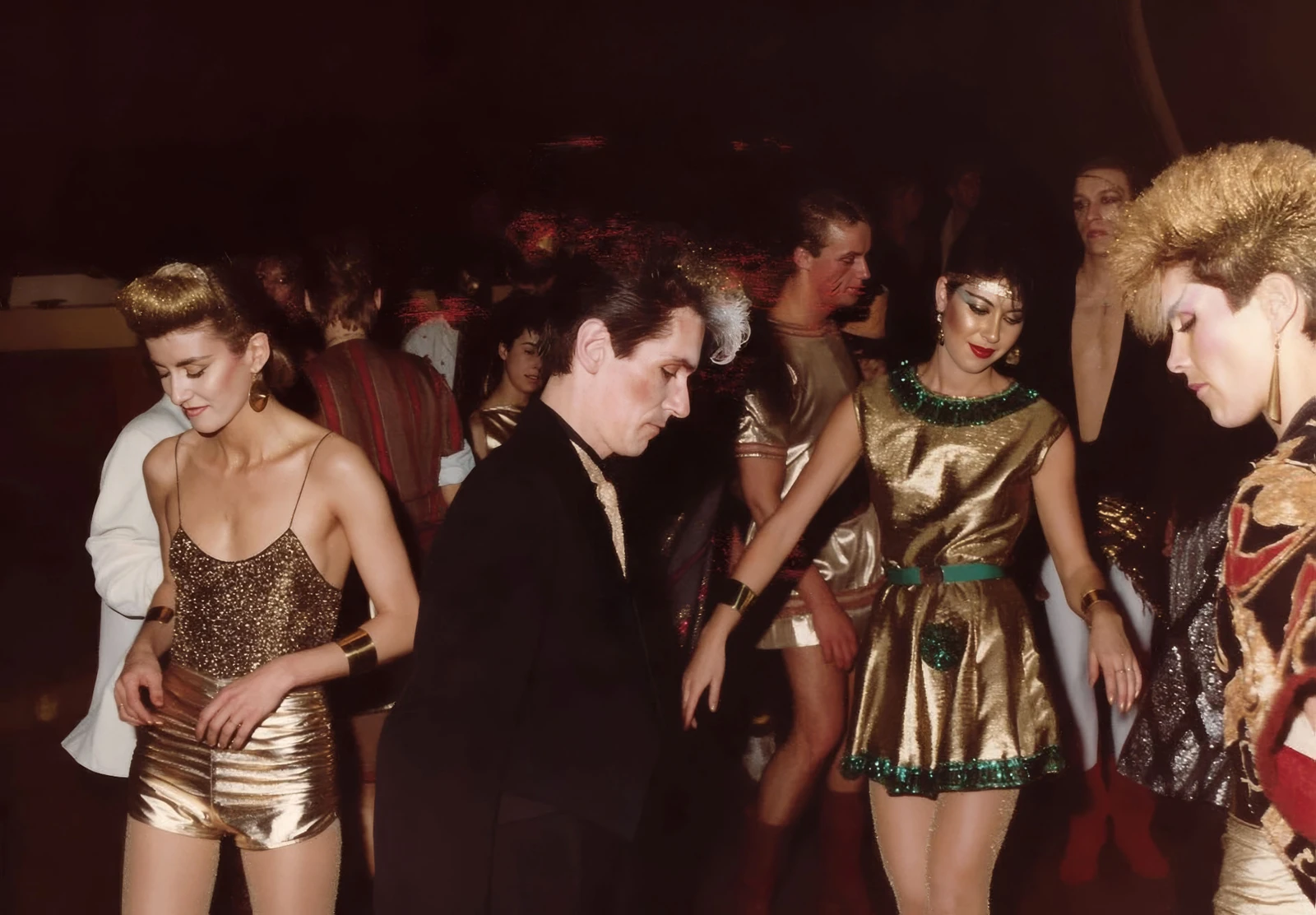
To understand the Mirano of the 1980s, you first have to forget the disco clichés the collective imagination sticks onto that decade. This was light-years away from that. Music was not décor: it was the backbone of the night, worked on as carefully as the posters, the sets or the costumes, and the dance floor of the Soirée Or of May 1982, with Aldo dancing among the golden silhouettes, shows it better than any speech.
 2 document(s) · Open the chapter
The Importance of Fashion at the Mirano
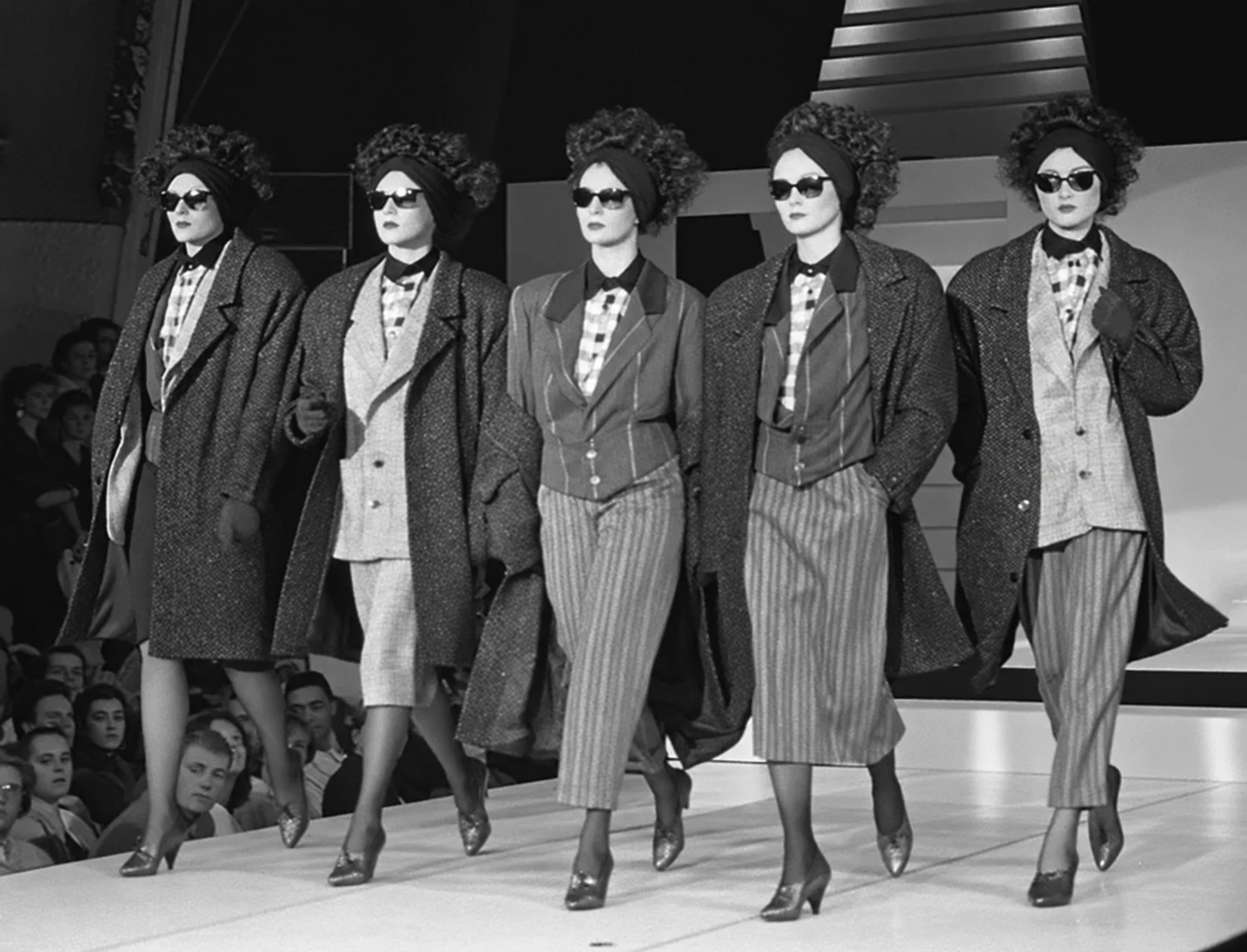
The Mirano Continental was not just a nightclub. During the 1980s, the club regularly hosted fashion shows, contests and evenings centred on modelling, bringing fashion and live performance into the world of Brussels nightlife.
 19 document(s) · Open the chapter
Concerts at the Mirano
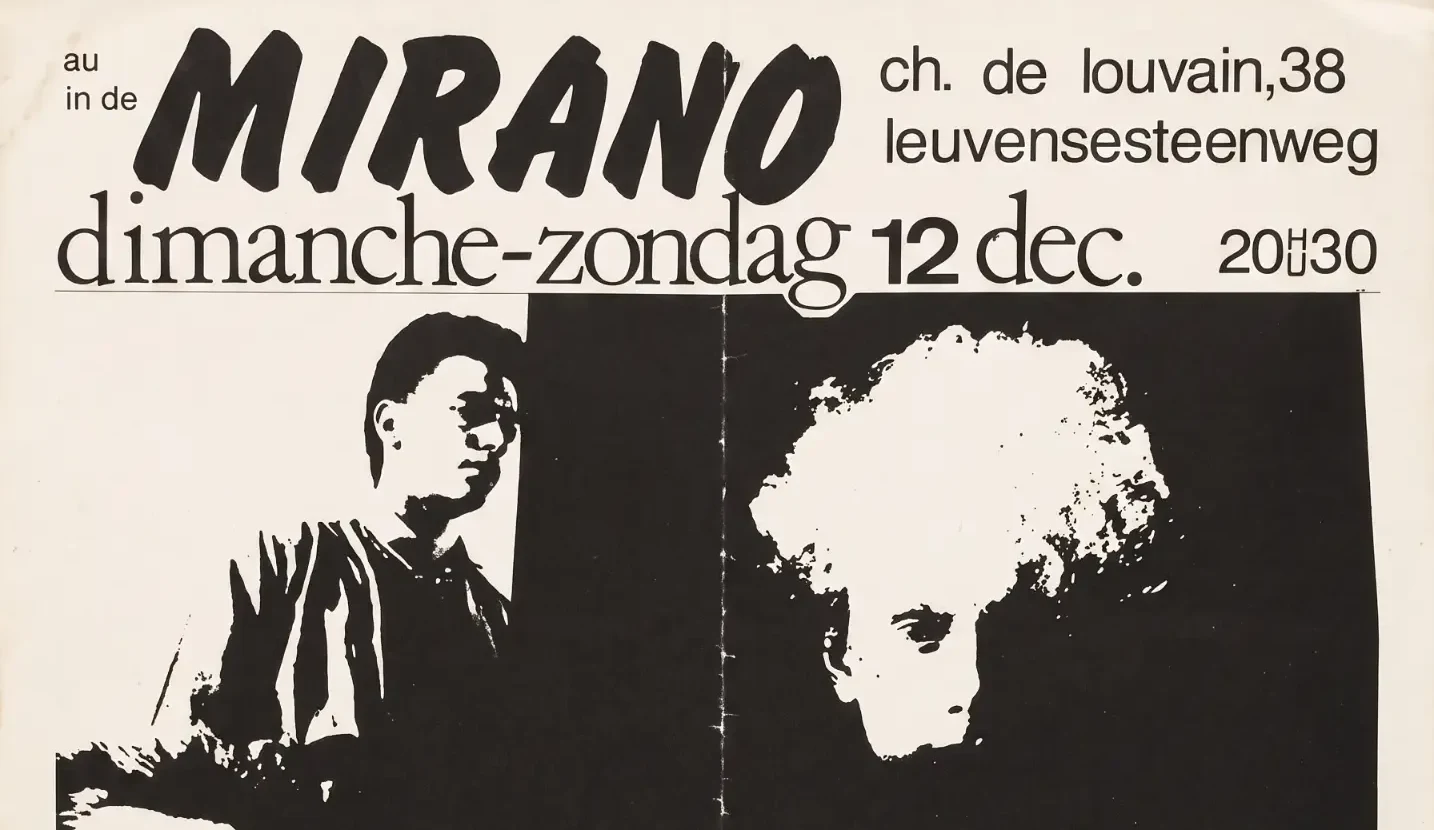
Before it was a dance floor, the Mirano was a stage. The club on Chaussée de Louvain hosted live bands, record launches and shows staged for a single night, inside sets designed by Aldo Gigli.
 16 document(s) · Open the chapter
The “Fantasia of the Thousand and One Nights” Party, 1982
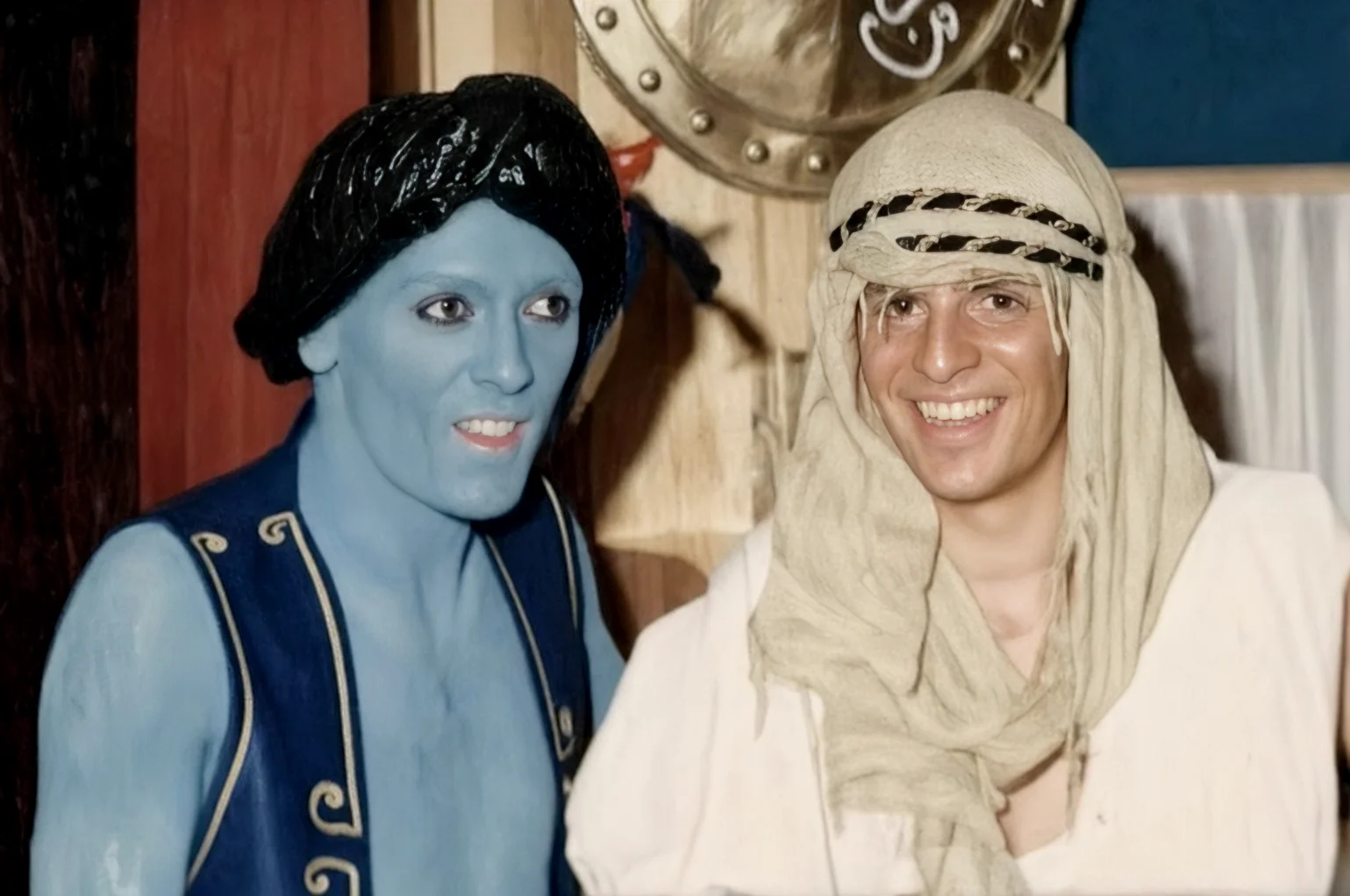
On Wednesday 29 September 1982, the Mirano Continental hosted its “Fantasia of the Thousand and One Nights” party. Aldo Gigli designed its whole world: the hand-drawn poster is shown in the Communication chapter, and the guests played along, costumes and make-up included.
 9 document(s) · Open the chapter
The Locomotives
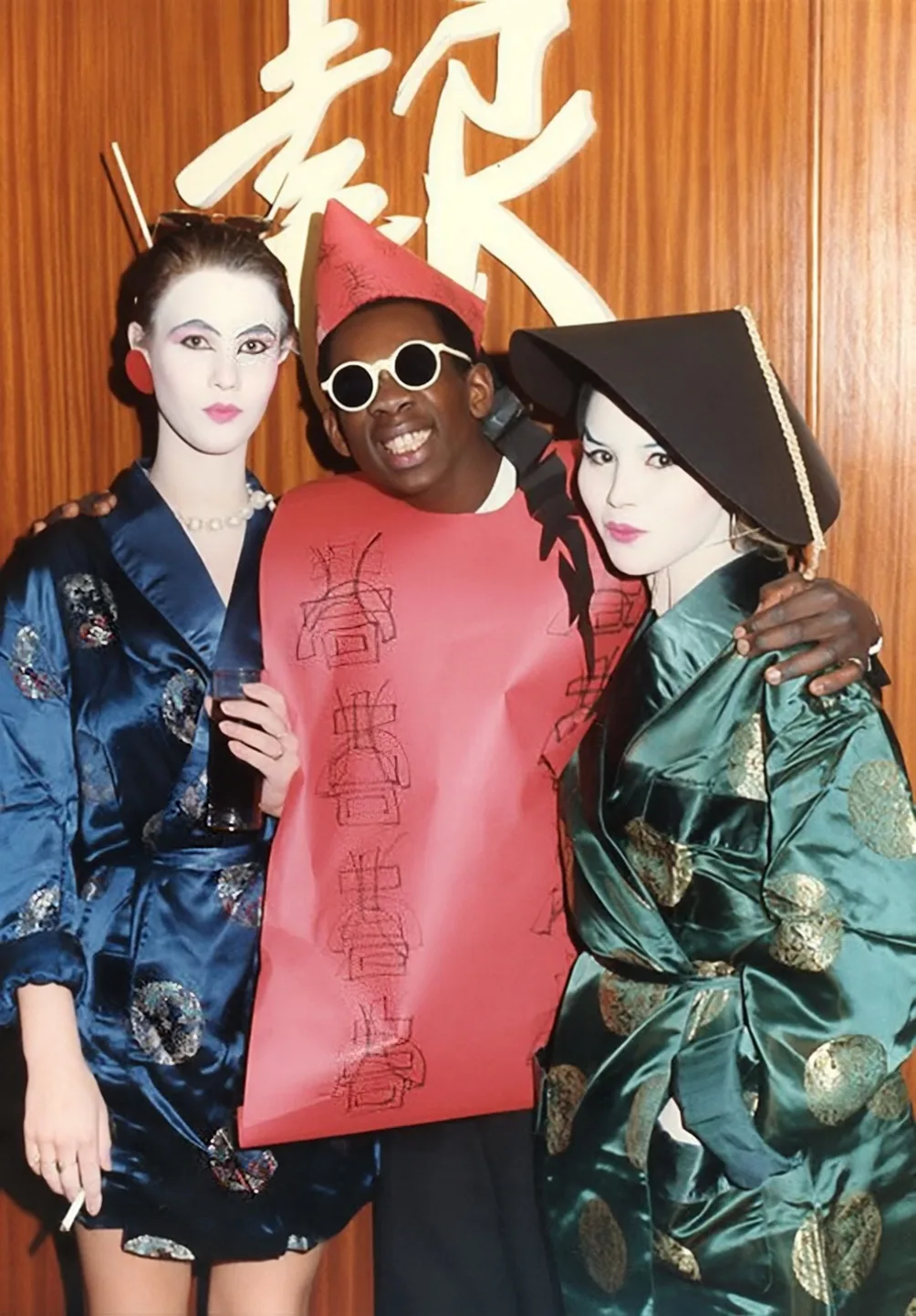
This chapter gathers the lone photographs of Mirano Continental parties from the years when Aldo Gigli designed the sets.
 32 document(s) · Open the chapter
The Mirano Team
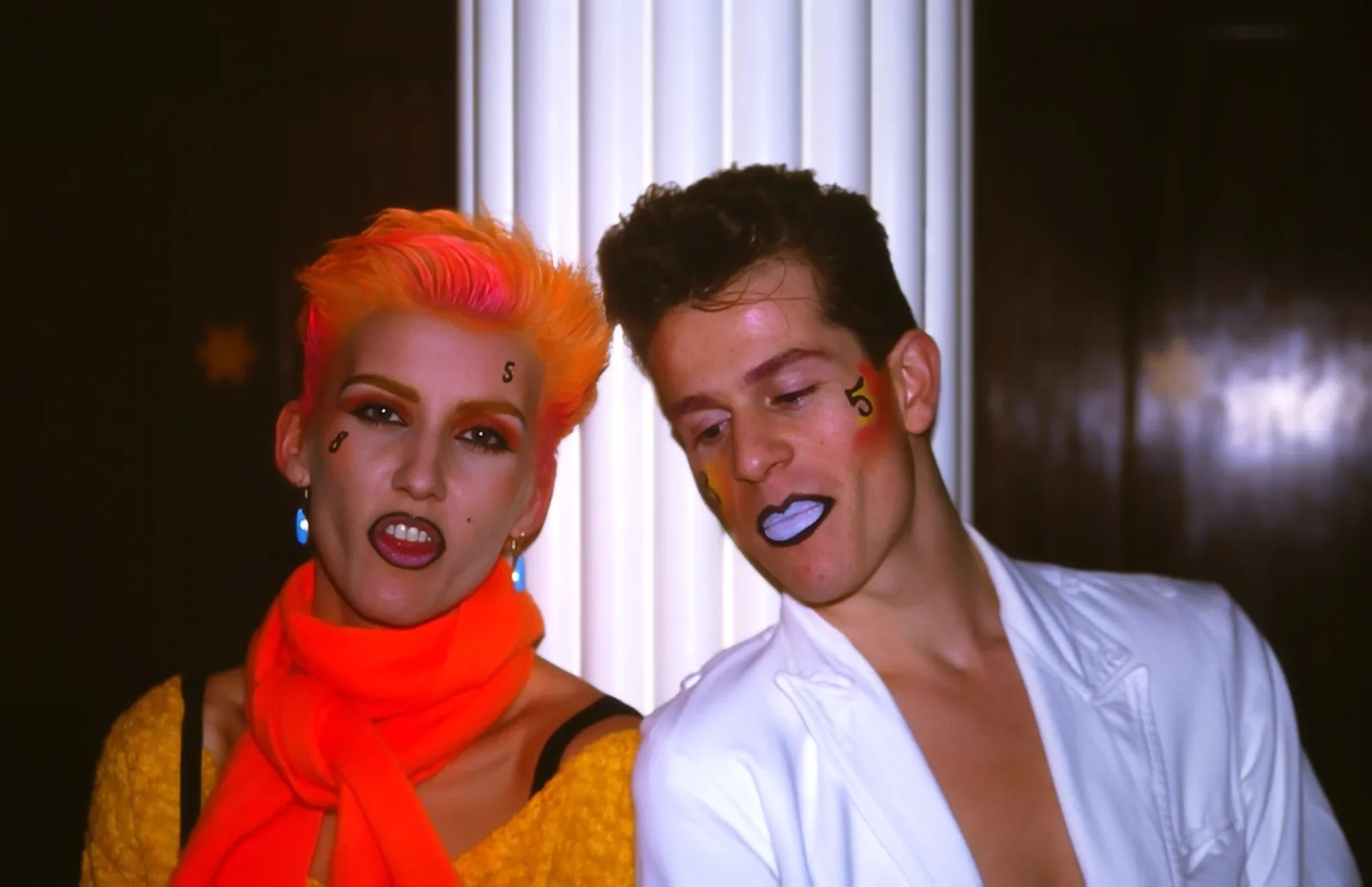
Behind Aldo Gigli's sets, the Mirano Continental came alive thanks to a team that was itself part of the show: made-up dancers and performers, make-up artists, a hairdresser, hostesses and bar staff, all of them actors in the venue's metamorphosis, night after night.
 15 document(s) · Open the chapter
The Mirano Clan
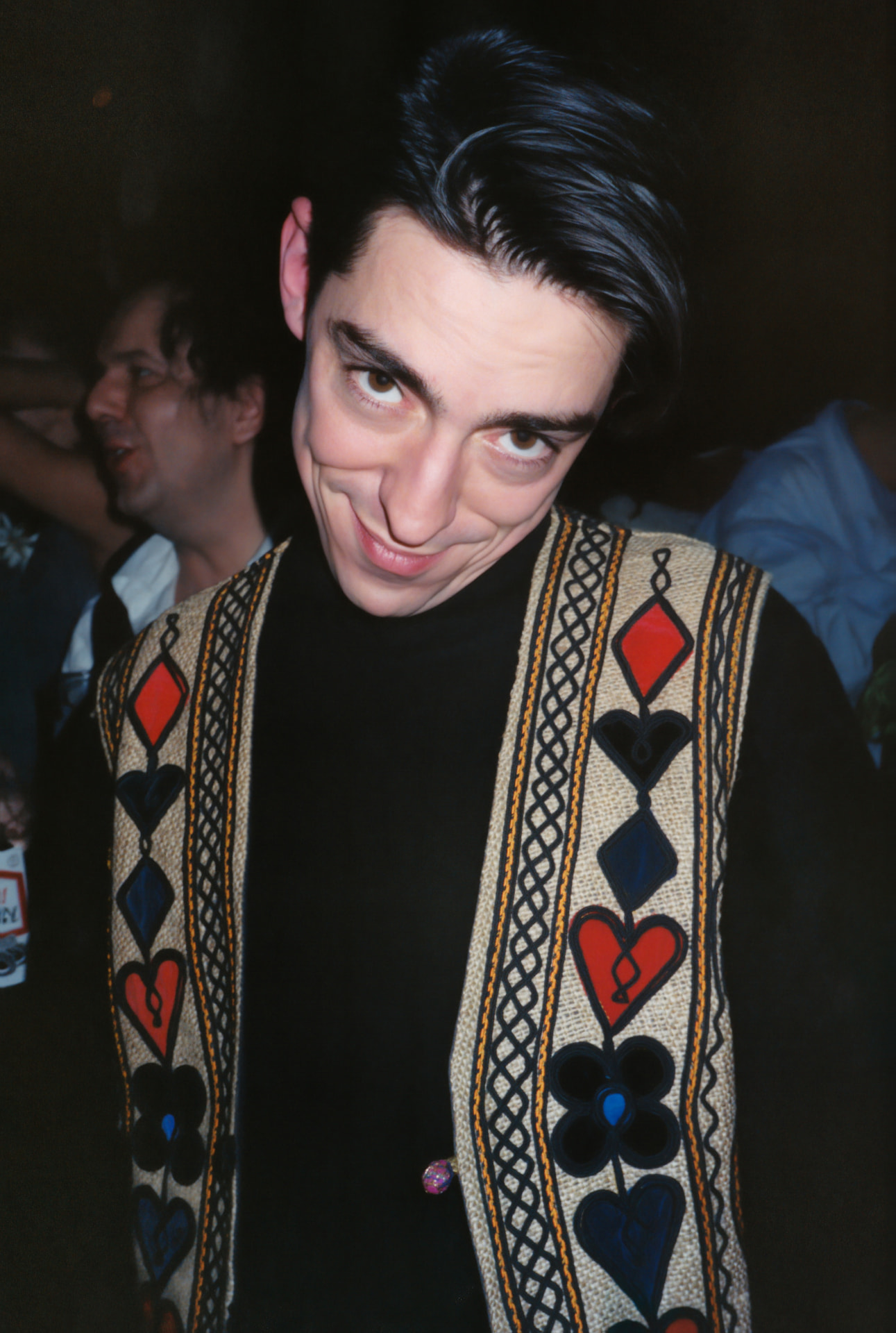
The Mirano was more than an essential Brussels address. It was a family, with its own codes, faces and ability to travel as a pack. On 11 March 1994, that family set off for Paris-Ivry for La Nuit des Clans, a cult event in Paris nightlife where everyone competed in sartorial daring.
 4 document(s) · Open the chapter
Monumental set designs
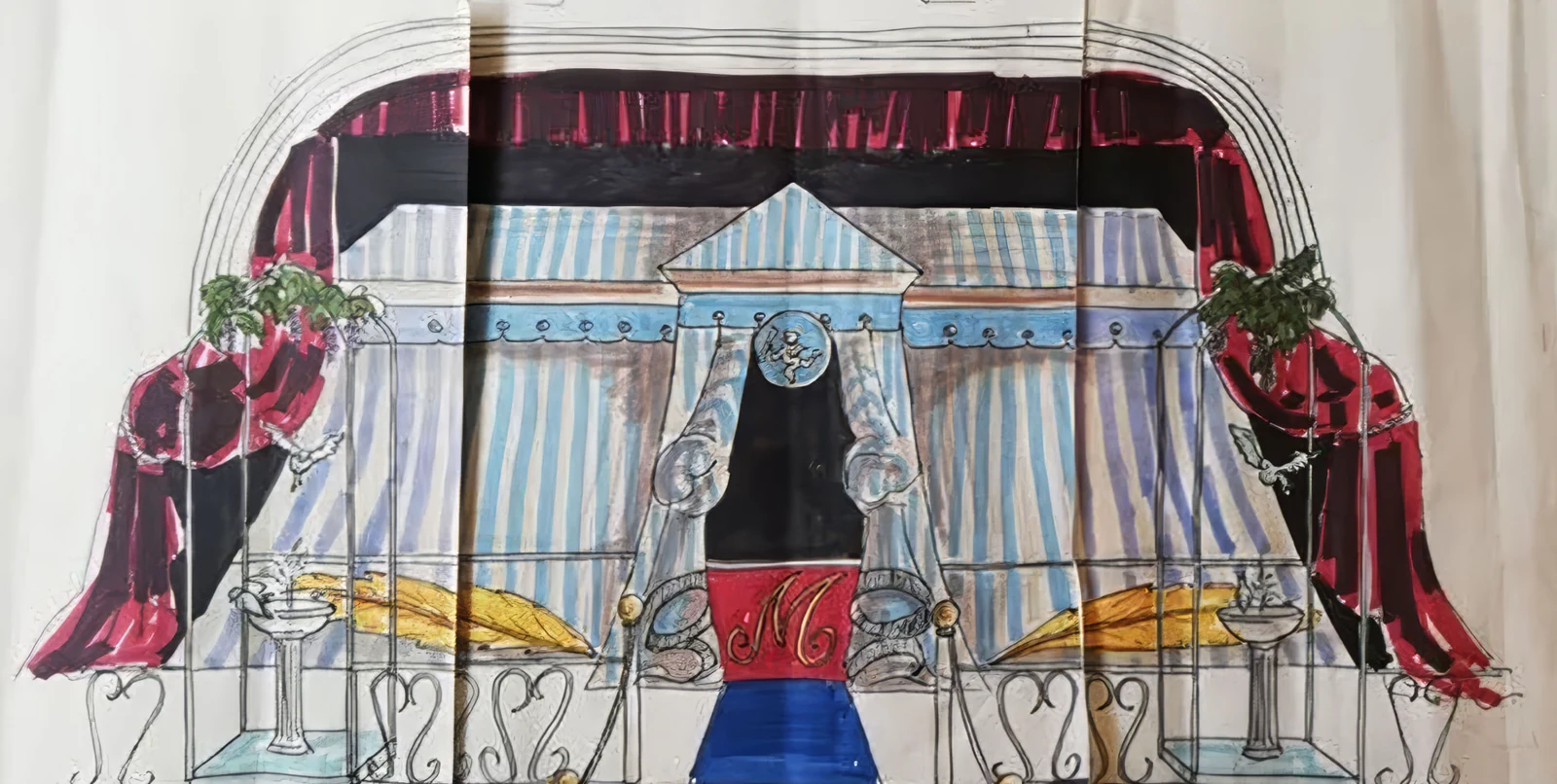
Every summer, Aldo Gigli designed and installed a major themed set that stayed in place all season at the Mirano. La Grande Baleine, the club's iconic bar, was later exported to Ibiza for Patrick Sox's events, and to the Café d'Anvers for the Paradise nights. Also remembered are the underwater set, which turned the whole club into seabeds teeming with fish, and the Belgian countryside, with real grass and furniture built by lumberjacks from the Ardennes.
 6 document(s) · Open the chapter
When the Night Inspires Advertising
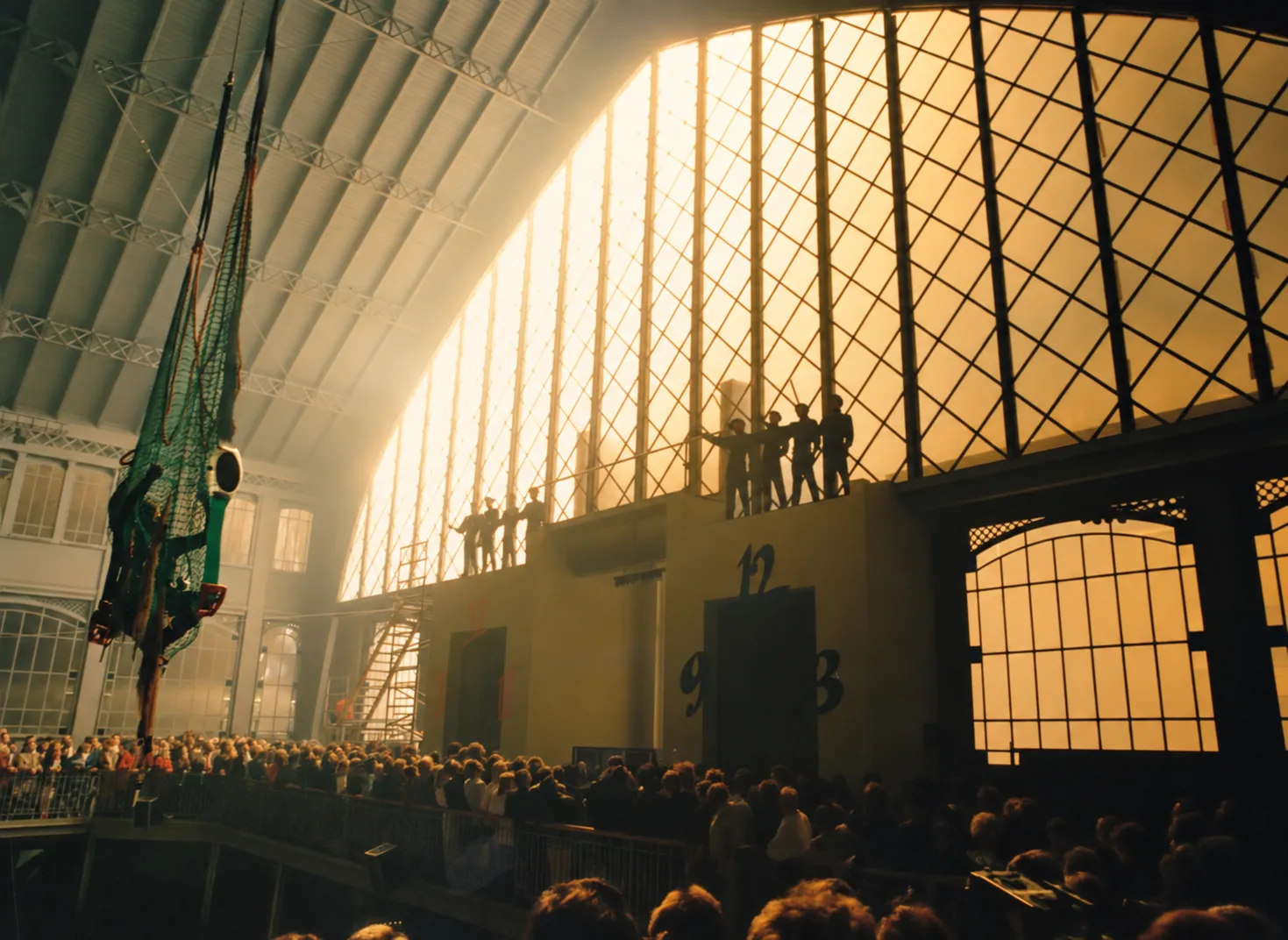
Aldo Gigli's talent went far beyond nightlife. The owners of the Mirano Continental, Paul Sterck and Marco Rolland, had set up an agency, K comme Communication, shortened to KCC, where Aldo worked on sets as well as on communication. What the club had invented for its own nights, brands now came looking for.
 6 document(s) · Open the chapter
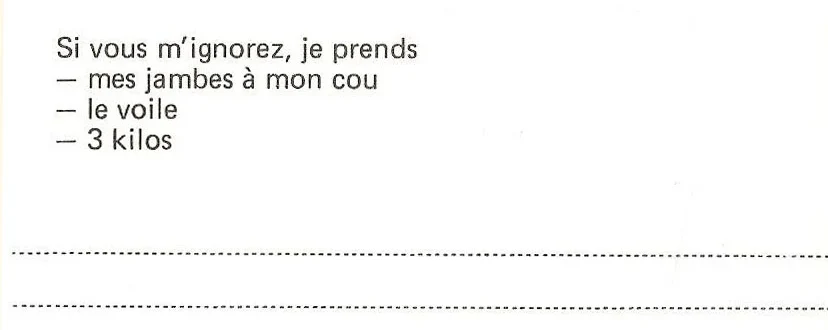
The Tinder of the Eighties
"The Mirano was Facebook before Facebook": Paul Sterck repeated it in several interviews. At a time when neither the Internet nor mobile phones existed, the club was the place where people agreed to meet, certain to run into each other, without ever having had to call first.
 1 document(s) · Open the chapter
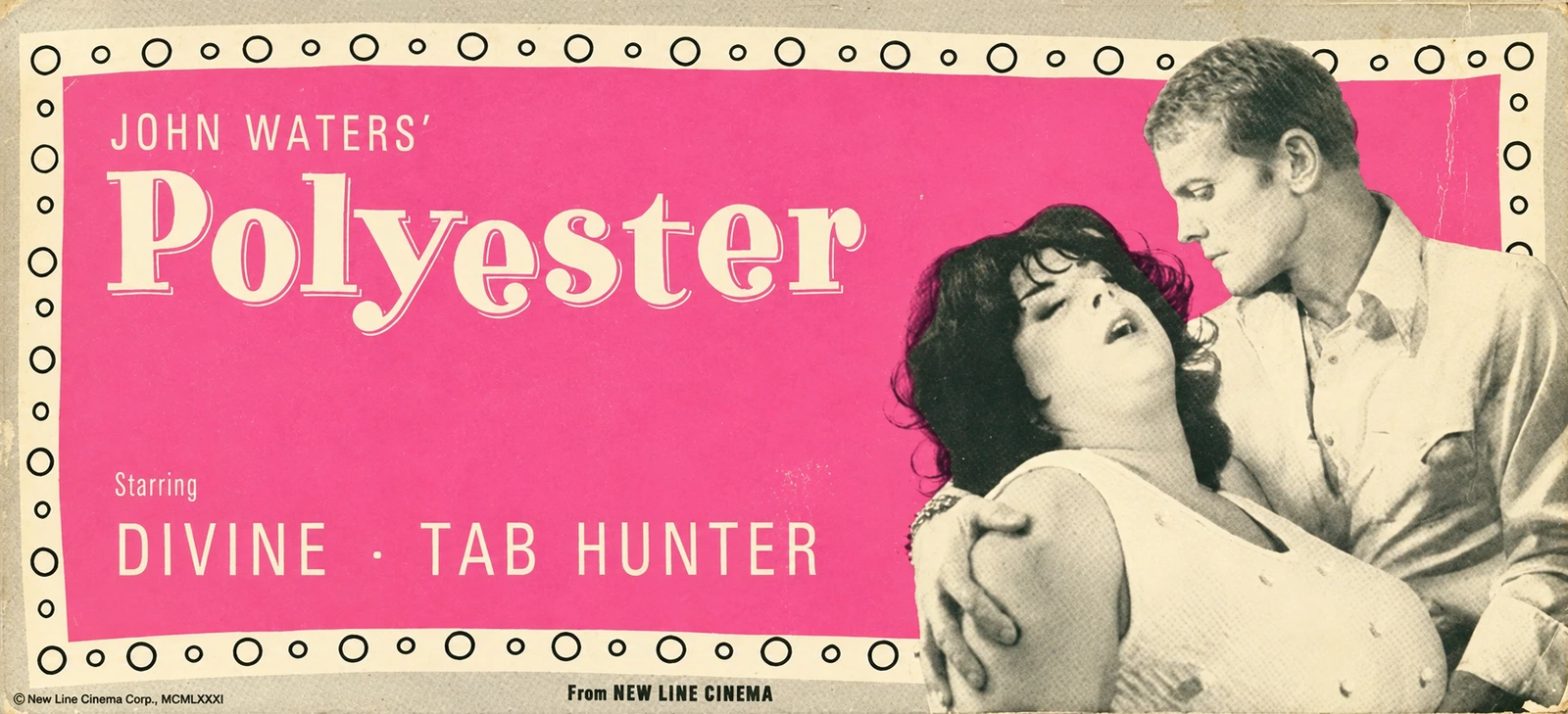
Passing on the craft, and a shared love of cinema
From the moment Carl De Moncharline arrived at the Mirano, Aldo Gigli guided him: the club's internal organisation, who controlled what, everyone's temperament. Those conversations happened over countless coffees, in the snack bar right next to the club. There was no course and no method there, only an older man who took the time to explain, never once making the difference in age or standing felt. It is a kind of transmission that leaves nothing in writing and still lasts a lifetime: how to hold a deadline, how to defend an idea in front of a team, how to understand who you are talking to before you speak.
 3 document(s) · Open the chapter
An Aesthetic: Disco, New Wave and Handmade
His artistic vision holds in a mix few people managed to hold together: disco and new wave, glitter and punk, elegance and brutality. That tension gives the Mirano posters the look that is still recognisable today, forty years on.
 2 document(s) · Open the chapter
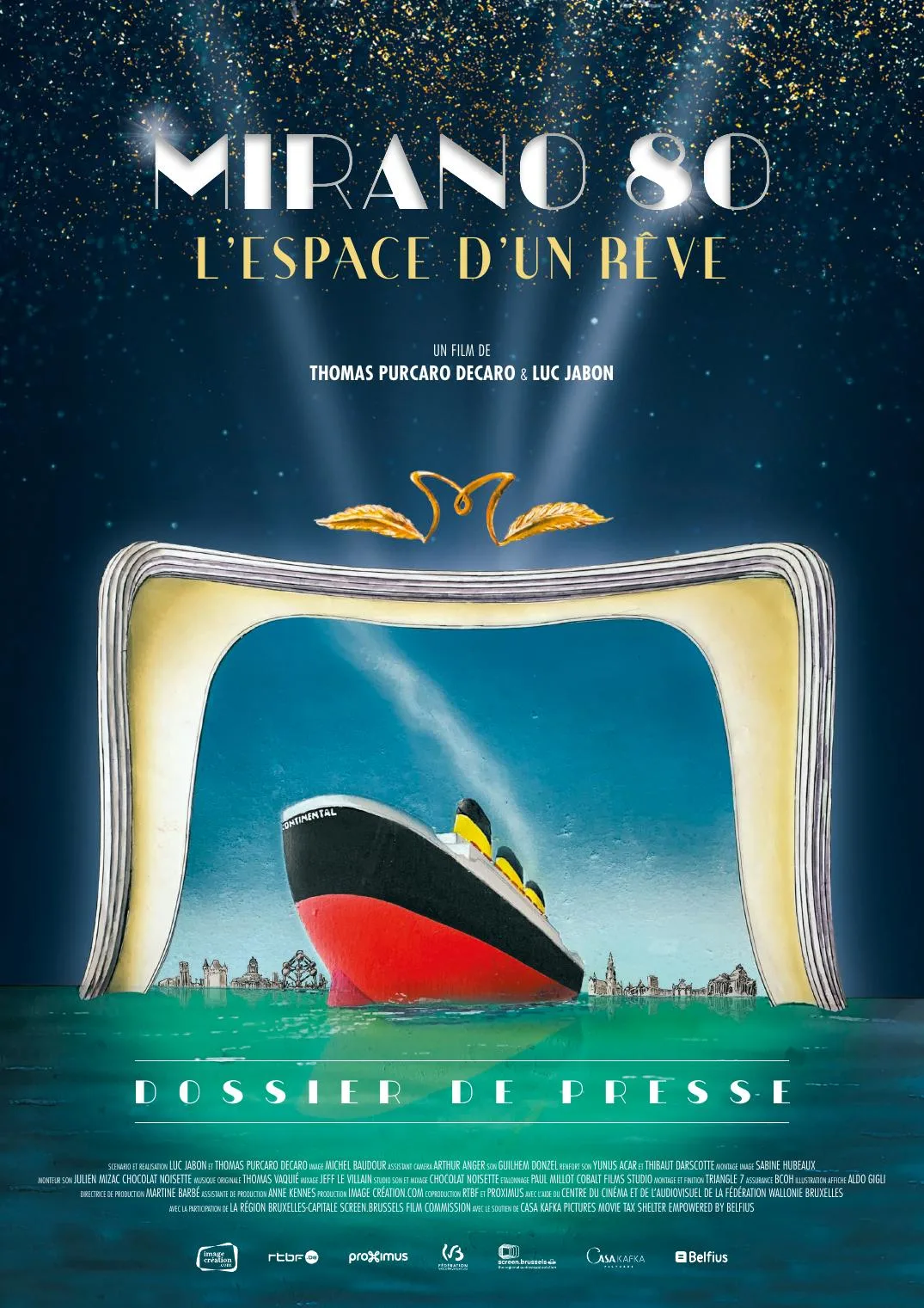
Press Kit: “Mirano 80, the Space of a Dream”
The press kit for the film “Mirano 80, l'espace d'un rêve”, by Luc Jabon and Thomas Purcaro Decaro, produced by Image Création in co-production with RTBF and Proximus, can be browsed here page by page. The film poster is illustrated by Aldo Gigli.
 1 document(s) · Open the chapter
“Aldo au Mirano”, the Notebook
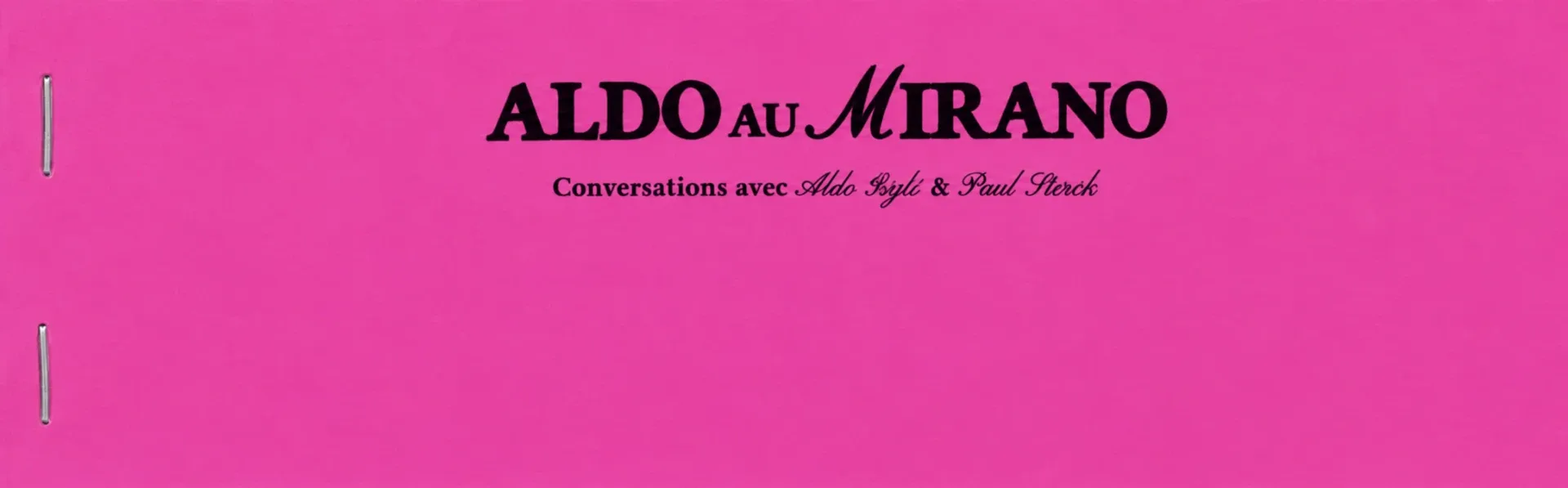
“Aldo au Mirano, Conversations avec Aldo Gigli & Paul Sterck” is a stapled notebook with yellow, turquoise and fuchsia pages, published by afterclub.be. It is the first volume of a series of tributes to artists and designers chosen for their contribution to Belgian nightlife.
 7 document(s) · Open the chapter
Today
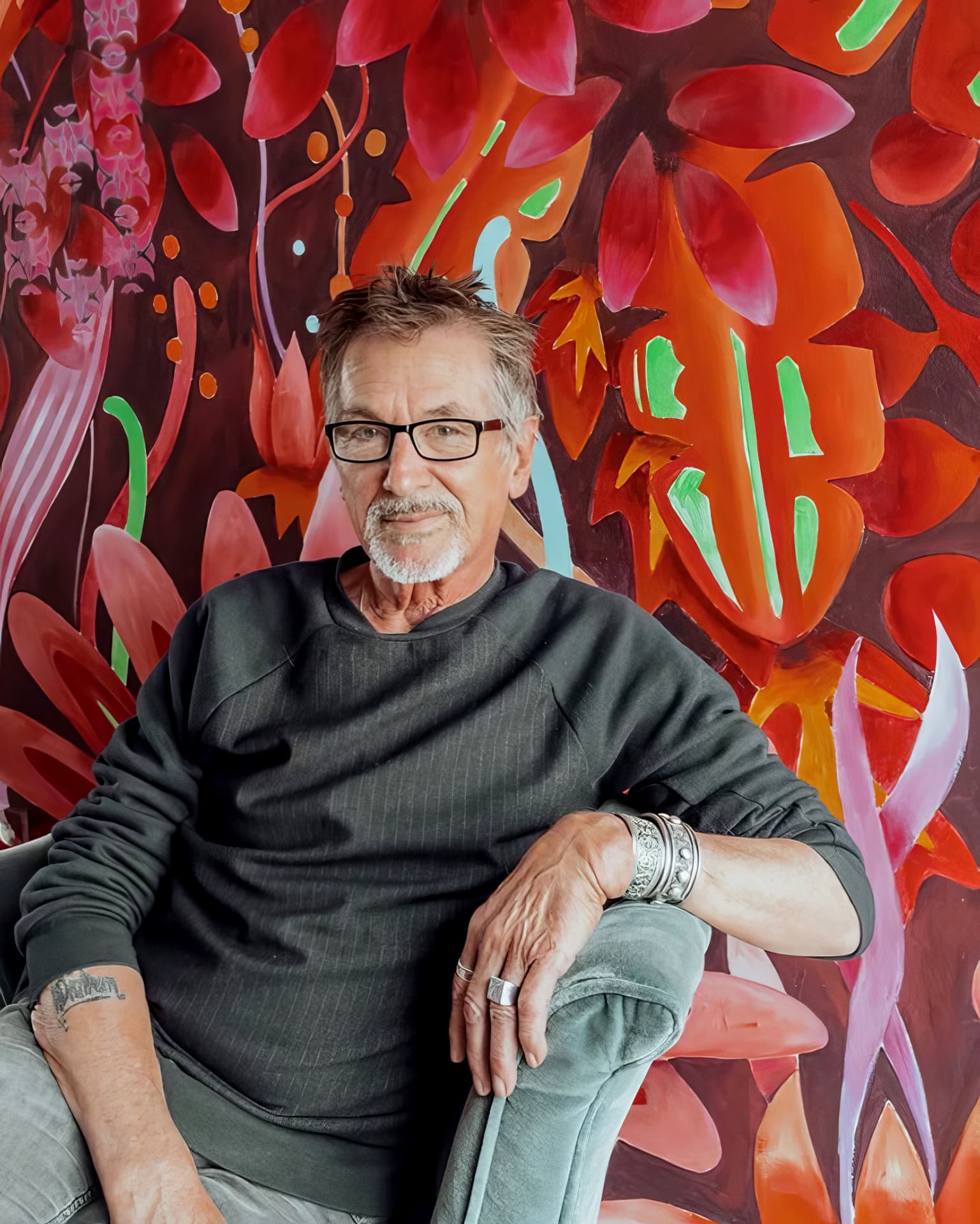
Aldo Gigli is now over eighty. He has kept all his intellectual sharpness and the energy of a sixty-year-old. Carl De Moncharline still sees him regularly: a charming, kind man, always listening, whose imagination never needed any machine.
 18 document(s) · Open the chapter
Thank You, Aldo
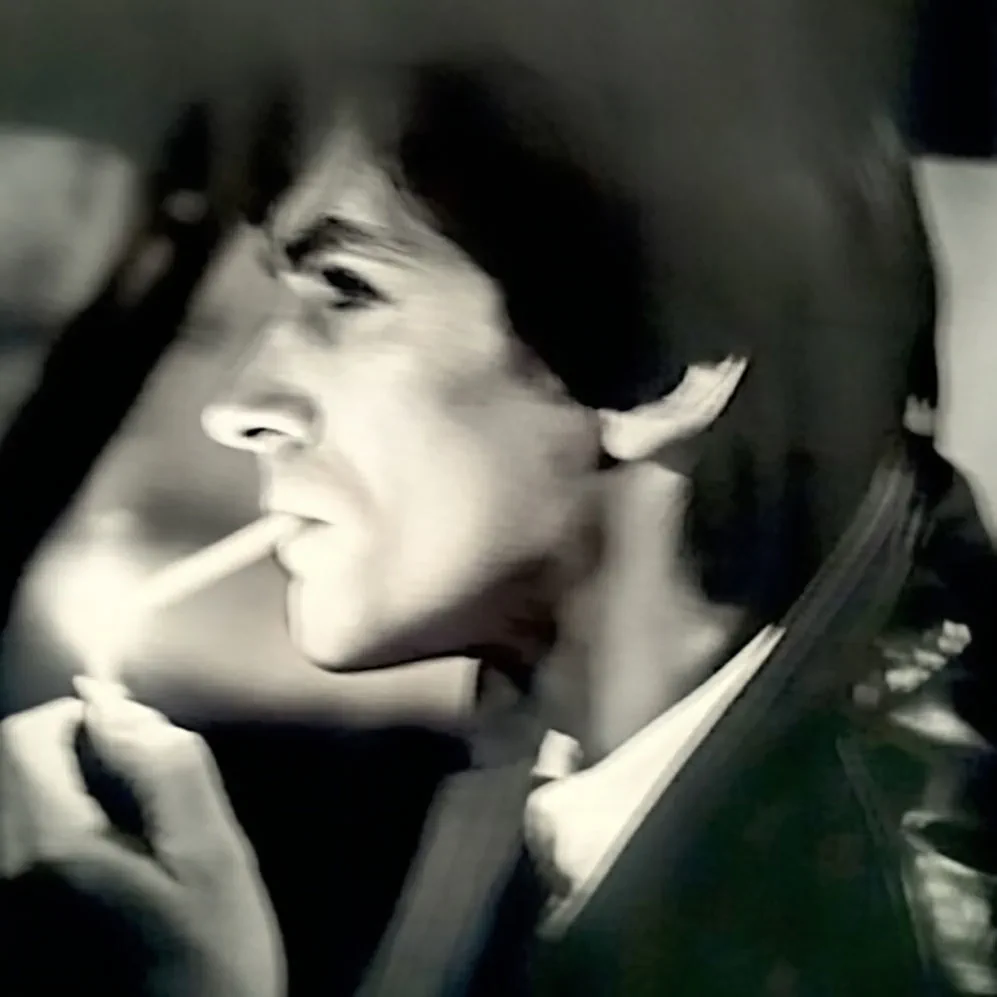
You were my first master without knowing it, or perhaps without wanting to be. You did not give lessons; you held out a pencil, and we followed the line.
 1 document(s) · Open the chapter
In the press
In the press
Curriculum
Sources: the Wikipedia article “Aldo Gigli” and an interview conducted by Carl De Moncharline, summarised here.