Eric Vauthier
Co-fondateur de La Rétine de Plateau · pionnier de l'événement culturel indépendant à Bruxelles · Bruxelles, des années 1980 à l'Impérial
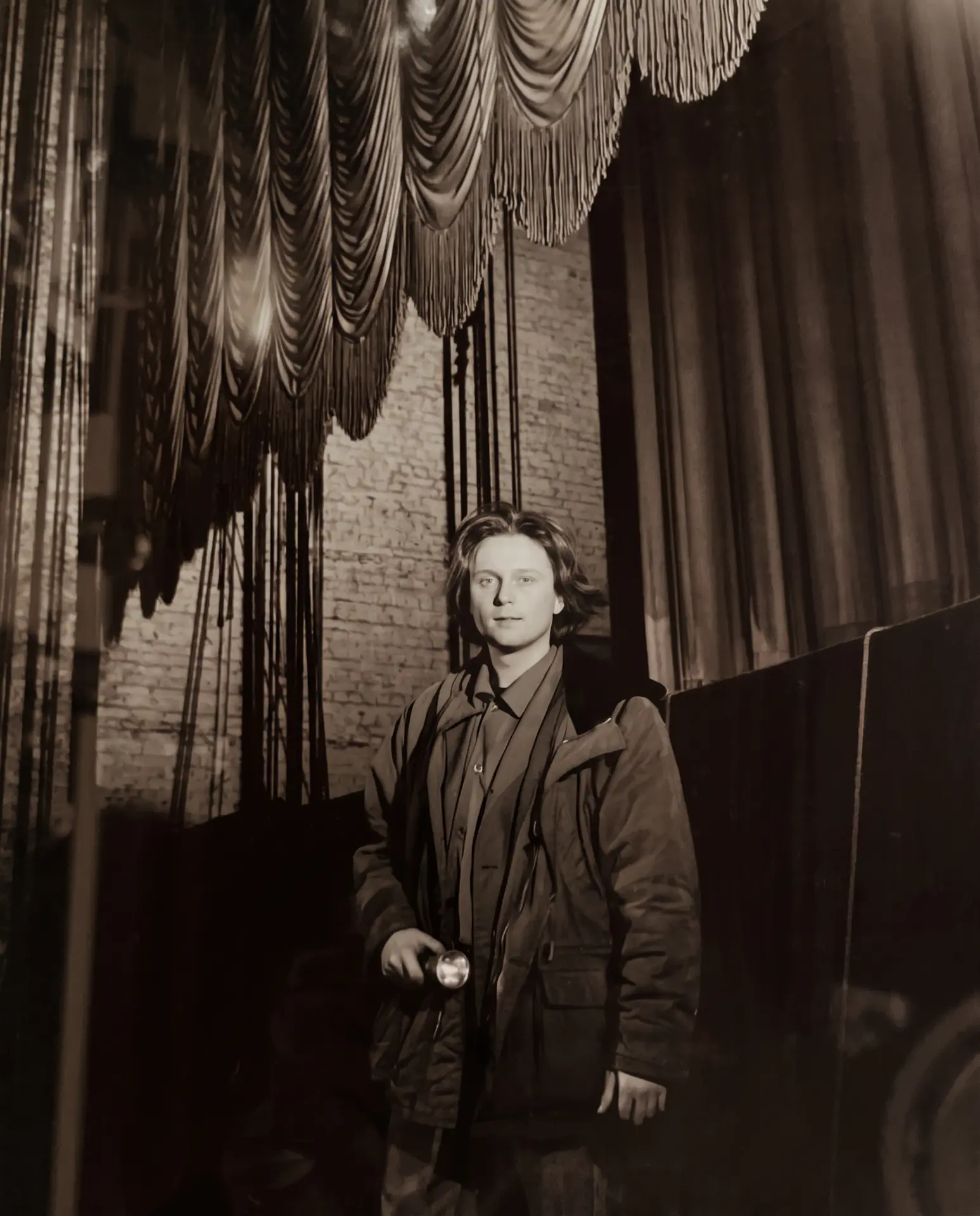
Dans les années 1980, à Bruxelles, les grands événements publics appartenaient aux pouvoirs publics : communes, État fédéral. La Région bruxelloise n'existait pas encore, elle naîtra en 1989. Eric Vauthier a été l'un des premiers à prouver qu'un événement grand public pouvait naître ailleurs, d'une passion et d'une asbl, La Rétine de Plateau, qu'il co-fonde avec Michel Culot. Sa passion, c'était le cinéma. Celle de Carl De Moncharline aussi.
Chapitres
Le cinéma, d'abord
Avec Jean-Pierre Mels, le terrain commun était le jazz. Avec Eric Vauthier, c'est le cinéma. Carl De Moncharline a passé une partie de sa jeunesse au Musée du Cinéma du Palais des Beaux-Arts, trois fois par semaine, à voir tout ce qui s'y programmait, sans tri et sans hiérarchie.
 2 document(s) · Ouvrir le chapitre
Les Petits Déjeuners du cinéma, un succès croissant
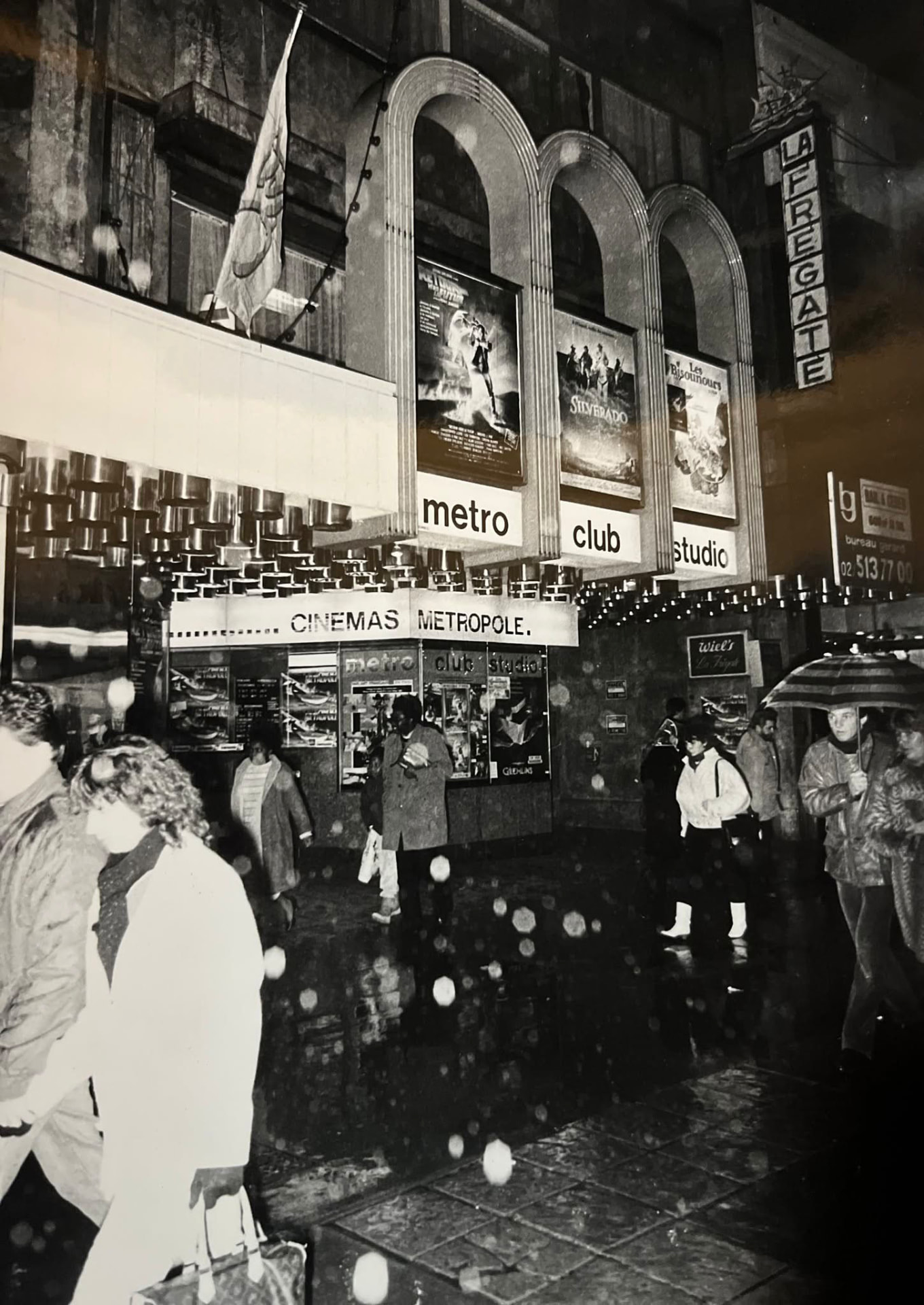
Un café, un croissant, de la musique live et cent minutes de cinéma, le dimanche matin. Créés en 1985 au Métropole, boulevard Adolphe Max, ils s'étendront à plusieurs salles de la capitale, puis à Liège, Namur, Gand et Anvers : dix-huit mille spectateurs en 1986, quarante-cinq mille en 1988. Le Soir titrait en juin 1989 « Croissants décentralisés de la Rétine », et en 1990 « un succès croissant à Liège ».
 2 document(s) · Ouvrir le chapitre
Le ciné drive-in du Cinquantenaire
À l'époque, un événement grand public à Bruxelles était presque toujours l'affaire d'une autorité communale ou fédérale. Le ciné drive-in du Cinquantenaire venait d'ailleurs : d'une asbl, d'une idée simple et d'un goût du public.
 1 document(s) · Ouvrir le chapitre
Le CyberThéâtre, dix ans d'avance
En 1995, année du centenaire du cinéma, Eric Vauthier crée le CyberThéâtre et se lance dans le cinéma numérique quand presque personne n'y croit encore. Jean-Pierre Mels y sera maître de cérémonie : les deux mentors de Carl De Moncharline se sont croisés là, autour de la même intuition.
 1 document(s) · Ouvrir le chapitre
La Champagnothèque, puis l'Impérial
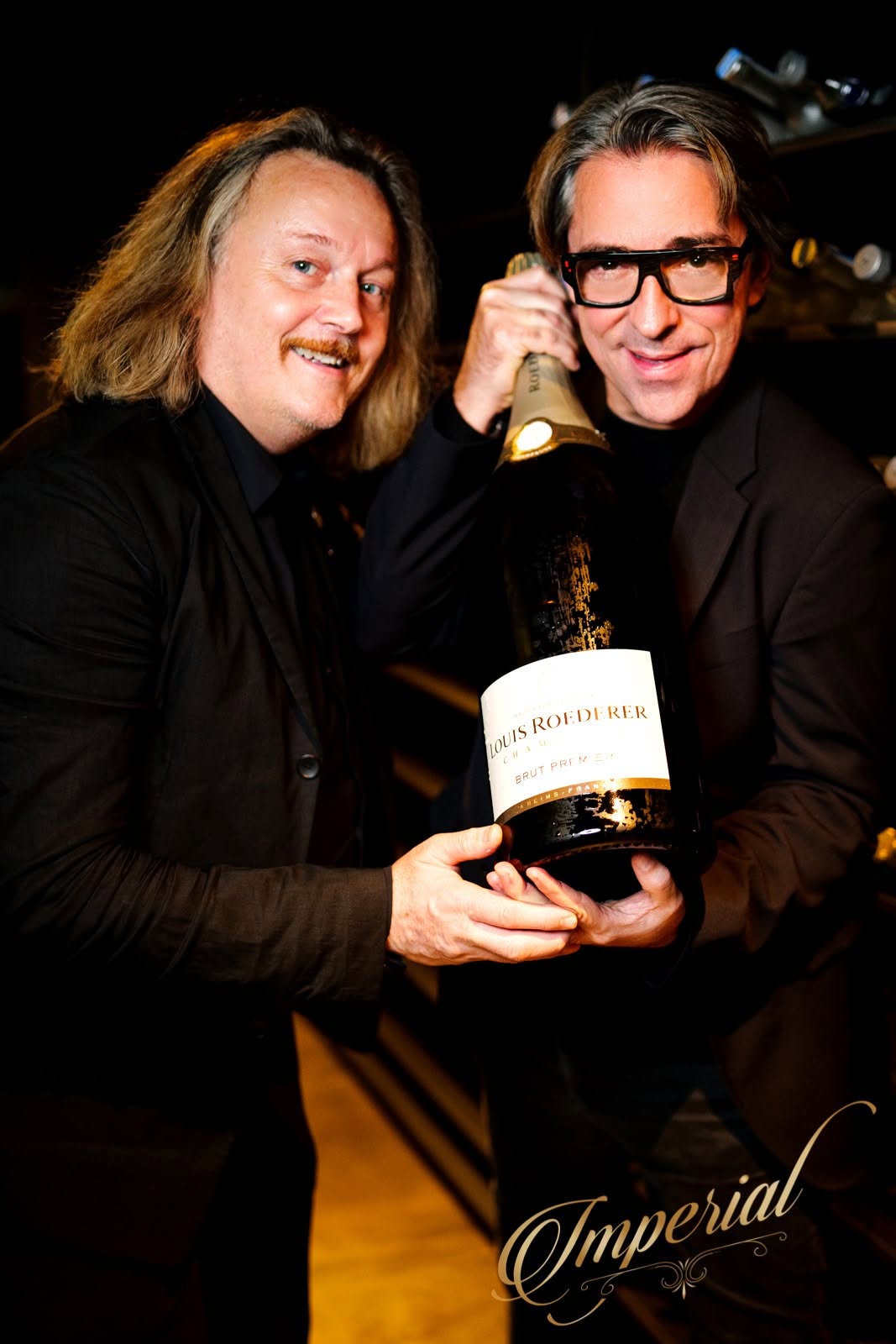
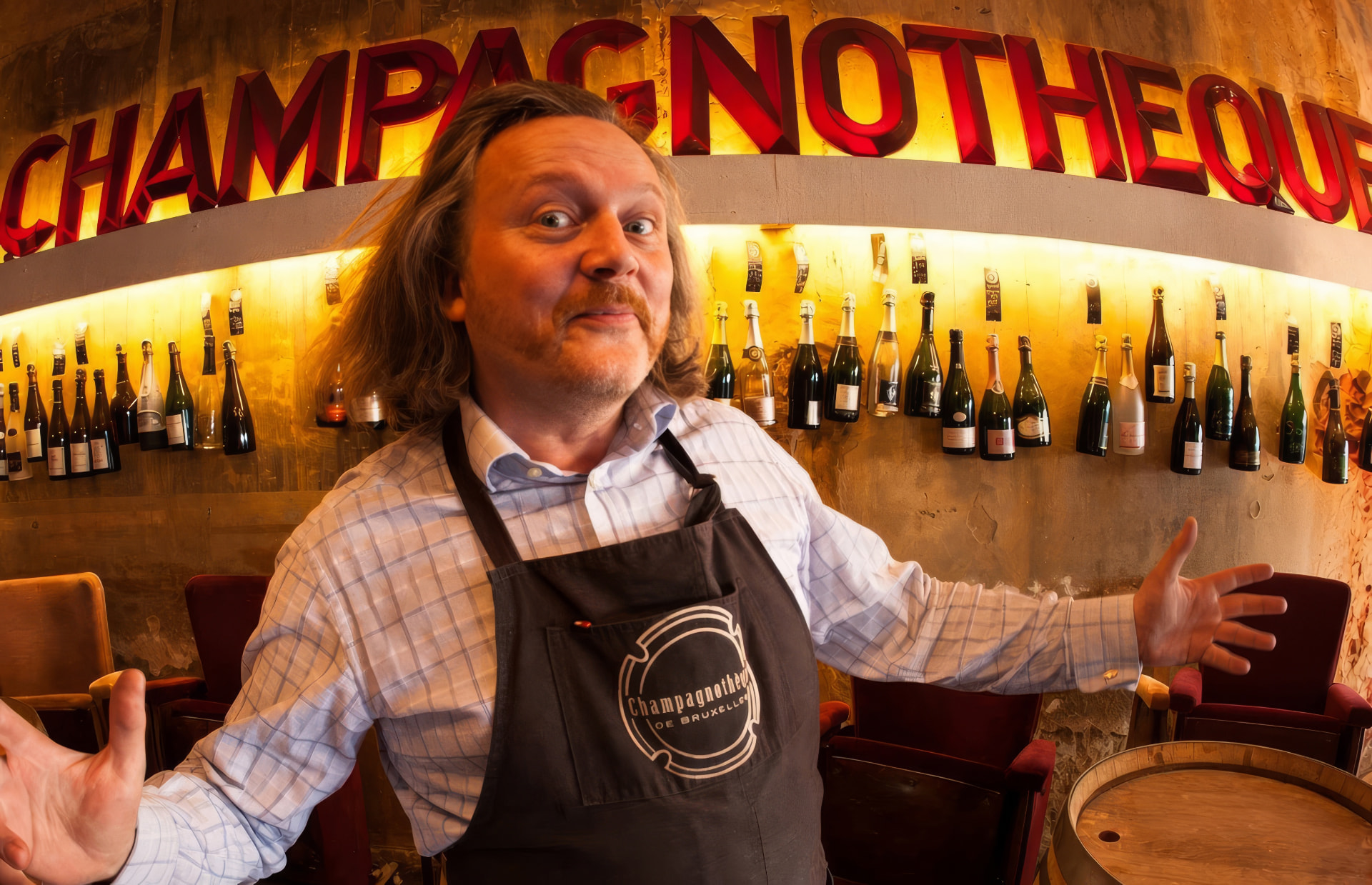
Épicurien, amateur de cinéma et de jazz, Eric Vauthier ouvre en décembre 2009 la première champagnothèque de Bruxelles, BEAUBBLES, rue Royale, dans l'hôtel particulier d'un ancien négociant en vin : cent cinquante marques, des vignerons défendus dès le premier jour, et un vocabulaire inventé de toutes pièces, champagnothécaires compris. C'est par là que les deux hommes ont fini par travailler ensemble : il a été le sommelier champagne de Carl De Moncharline à l'Impérial.
 1 document(s) · Ouvrir le chapitre
Virtual Palace, aujourd'hui
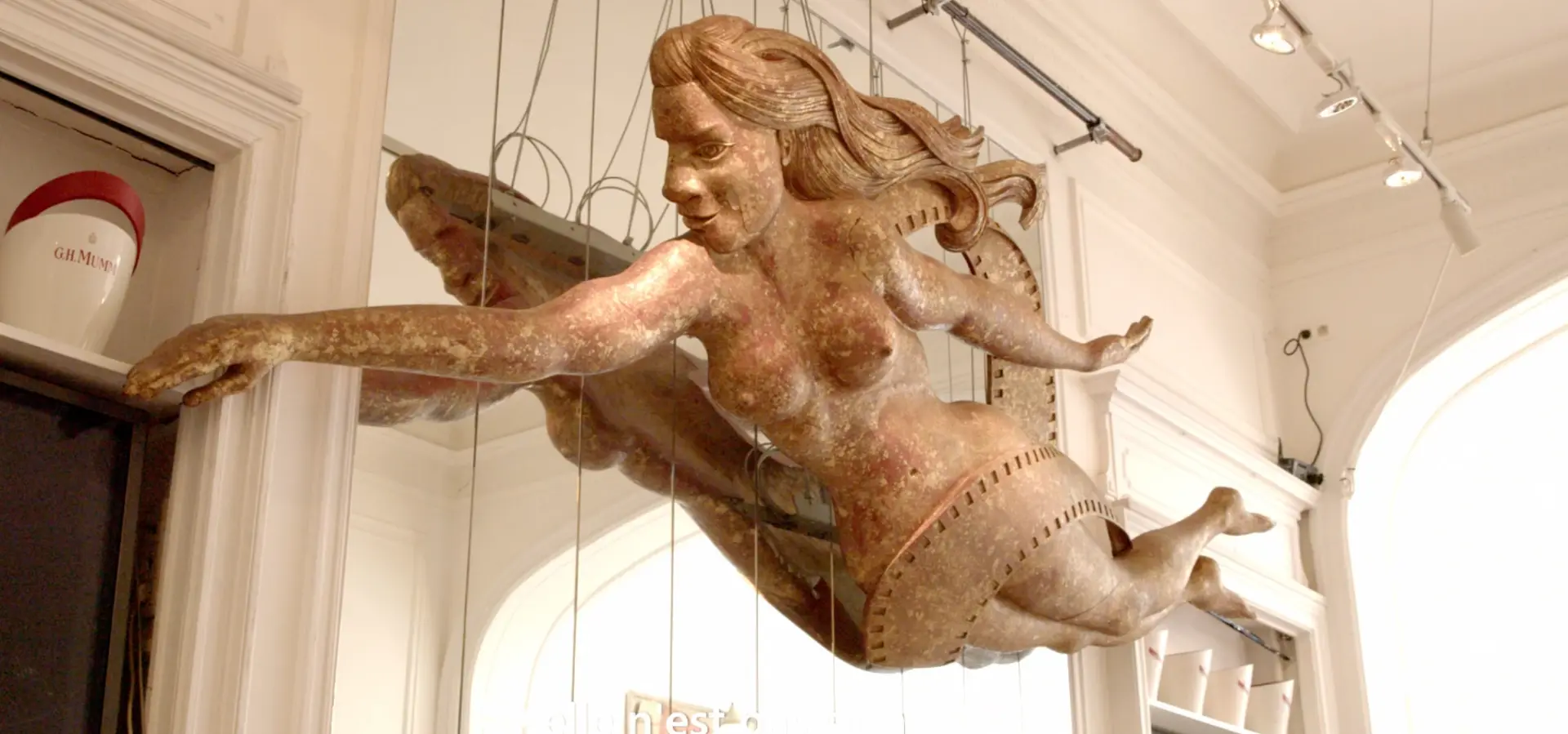
Eric Vauthier n'a jamais cessé. Depuis 1994, il est propriétaire du Virtual Palace, un bâtiment de 1860 qui fut le siège belge de Gaumont de 1946 à 1994. Il en fait une maison du cinéma du 21e siècle à taille humaine : bar, cinéma privé dans l'écurie d'époque, fond vert, casques de réalité virtuelle, location de tournage à la journée. Le lieu a servi de décor au film La Maison d'Anissa Bonnefont, avec Ana Girardot, Aure Atika et Rossy de Palma.
 1 document(s) · Ouvrir le chapitre
Merci Éric
Merci de m'avoir transmis tes passions dévorantes, celles qui donnent envie de créer, de prendre des risques, d'imaginer des événements qui rassemblent, où chacun sent, l'espace d'un instant, qu'il se passe quelque chose d'unique.
 1 document(s) · Ouvrir le chapitre
Dans la presse